

News
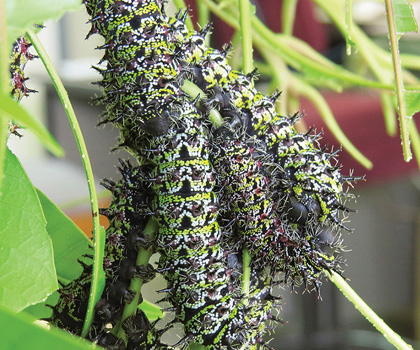
Leadership in insects for food and feed research
Thought leadership column by Dr Segenet Kelemu, Director General, icipe
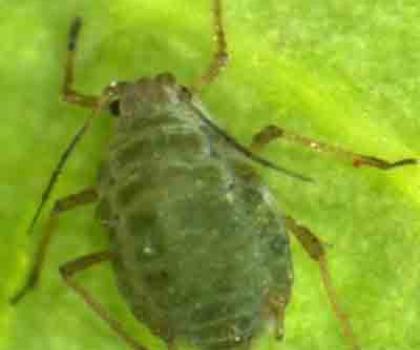
DNA barcoding and aphid identification
Aphids, also known as plant lice, are among the most economically important pests in the world. In addition to transmitting plant viruses, these sap-sucking insects are capable of causing severe crop losses. They also excrete honeydew that favours the growth of sooty mould, which reduces the quality of vegetables and fruits; and hence, their market value.
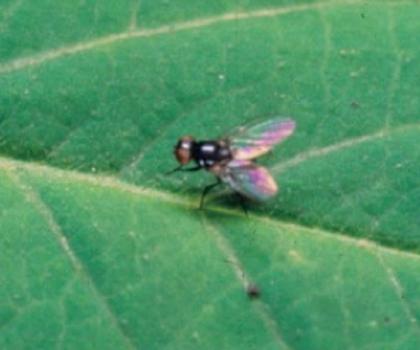
Fungal endophytes for the management of the bean stem maggot
The common bean, Phaseolus vulgaris L., is important in Africa, as it serves as a source of calories, protein, oil and micronutrients, for households that cannot afford meat.
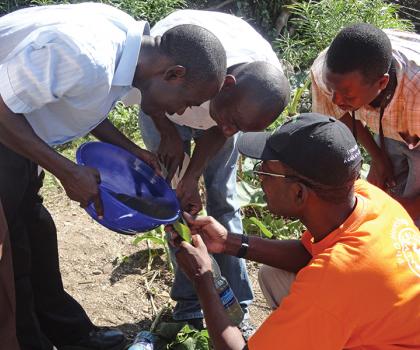
Vector-borne diseases and intensification of agriculture
Recent findings by icipe, due to be published in a forthcoming issue of the Centre’s International Journal of Tropical Insect Science, have demonstrated the significant role of larval habitat conditions in determining the distribution patterns of mosquitoes.

Biolarvicides and malaria control
icipe recently published the results of a study conducted in Tolay, southwestern Ethiopia, to explore the ability of three biolarvicides: neem, chinaberry, and Bacillus thuringiensis israelensis (Bti), to kill the larvae of Anopheles arabiensis, the mosquito vector of malaria, in comparison to conventionally used insecticides.